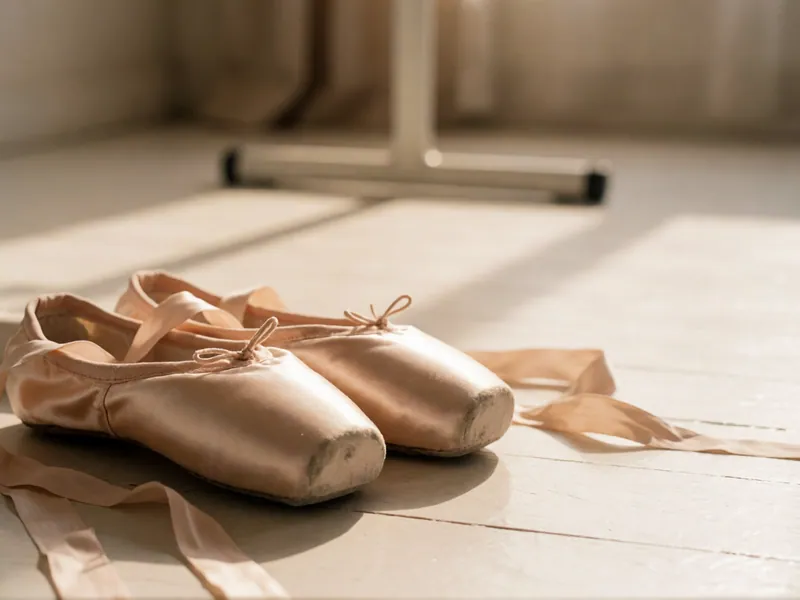
Ballet
Three to adult
- thirteen classes a week
- 200 places a week in all
The technique everything else in this building borrows from, taught slowly and in the same order every year.
She keeps asking for ballet. Is four too young?
000-000-0000 · office answered from 10am, closed Sundays
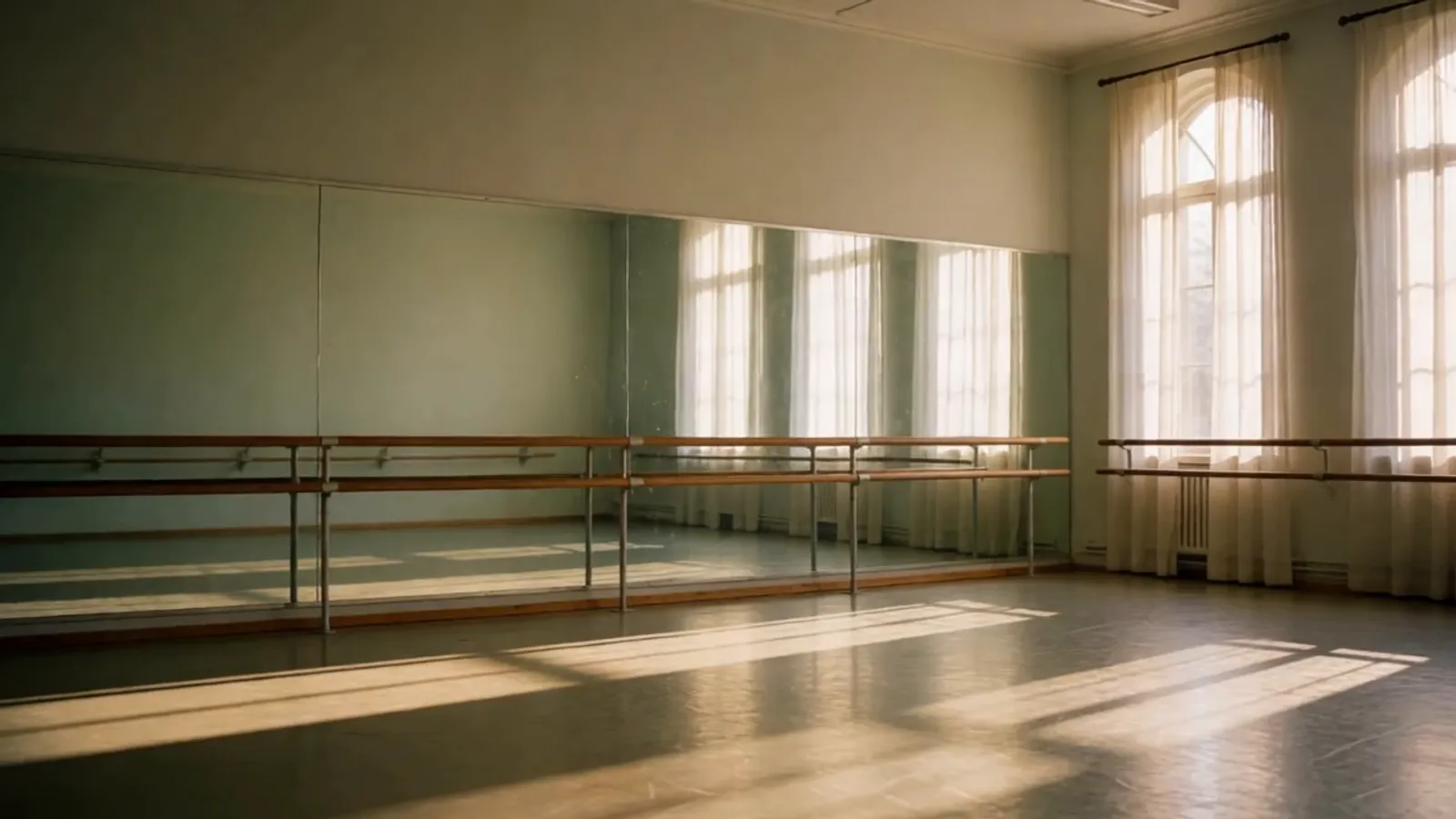
Woodside, Queens · since 2011
Woodside Academy of Dance & Music teaches ballet, jazz, tap, hip hop and contemporary dance, and piano, guitar, violin and singing, five minutes from the 61st Street station. There are forty-six weekly classes for children from three and for adults, in rooms that hold between eight and eighteen people. Every fee on this site is a per-session rate multiplied by the number of times the class actually meets — and when a class is full it says so and puts you in a queue with a number on it.
What we teach
Deliberately not a longer list. A school advertising musical theatre, acro, ballroom, drums and flute with six teachers is advertising a timetable it cannot staff, and any parent who has tried to book one of them can tell.
Three to adult
The technique everything else in this building borrows from, taught slowly and in the same order every year.
She keeps asking for ballet. Is four too young?
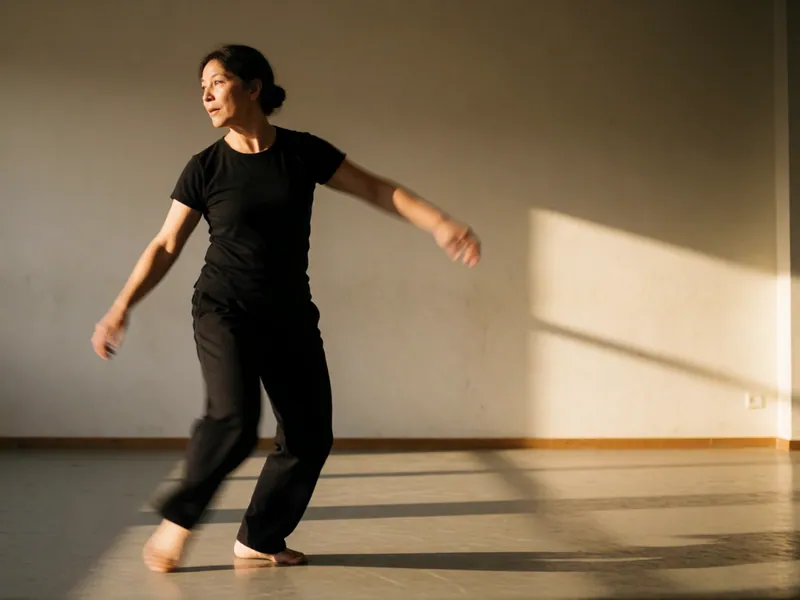
Six to adult
Fast, rhythmic and the most immediately satisfying class in the building for a beginner.
He wants to dance but he thinks ballet is for girls.
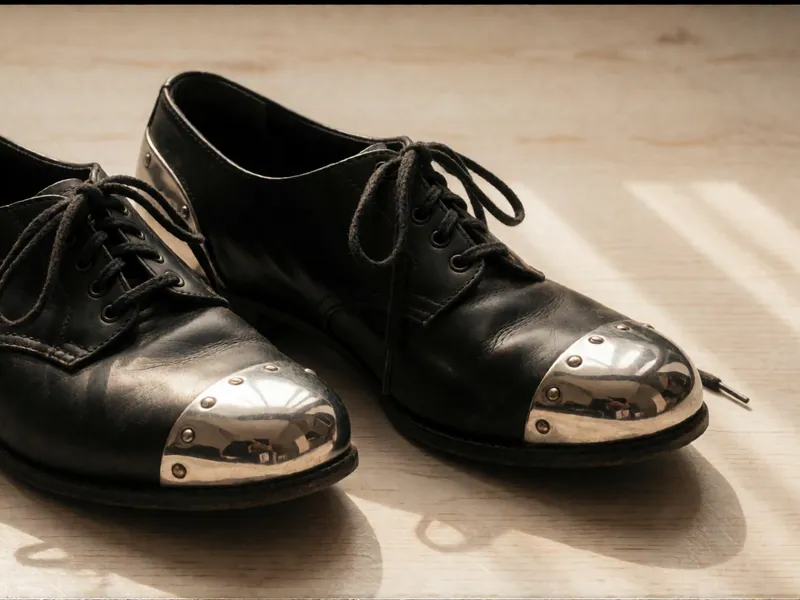
Four to adult
The most mathematical thing taught in this building, and the one that most reliably makes a child practise.
Does tap still get taught anywhere?
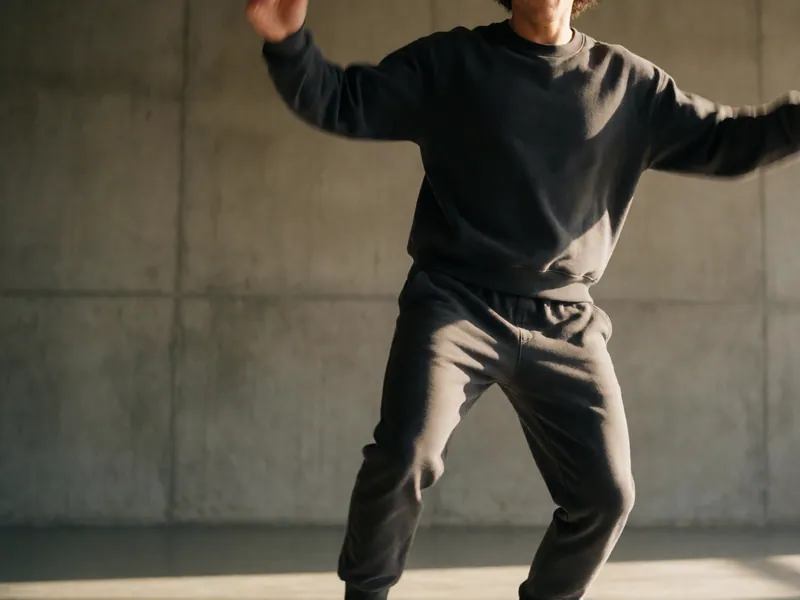
Six to adult
Grounded, rhythmic and taught with its history attached rather than as a style borrowed from a video.
Is it appropriate for a seven-year-old?
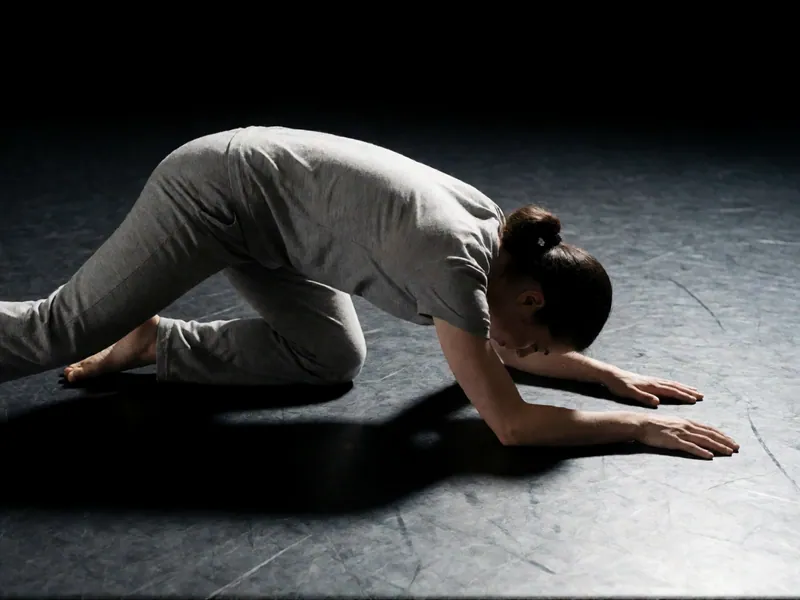
Nine to adult
Weight, floor and breath — the class that changes how a trained dancer moves.
She has done ballet for six years and is bored.
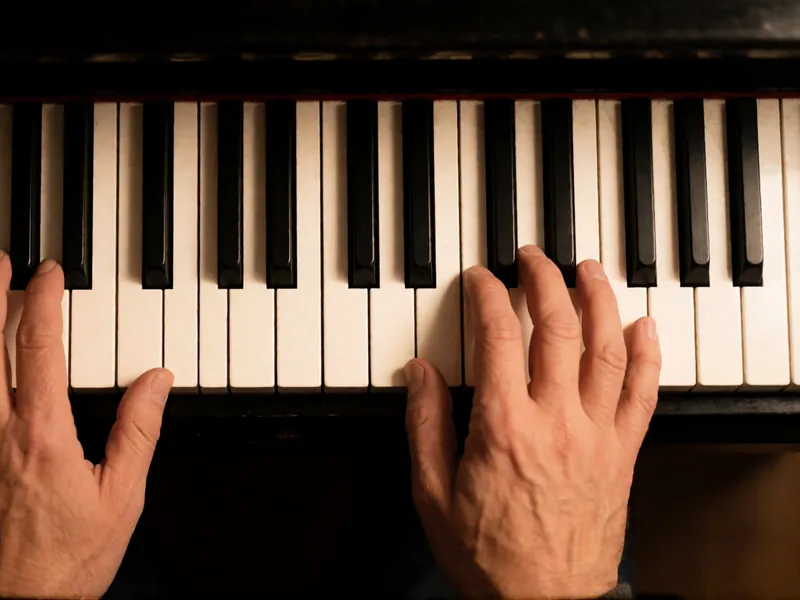
Six to adult
One to one, thirty to sixty minutes, and the instrument every other one is easier to learn beside.
We do not have a piano. Can she still start?
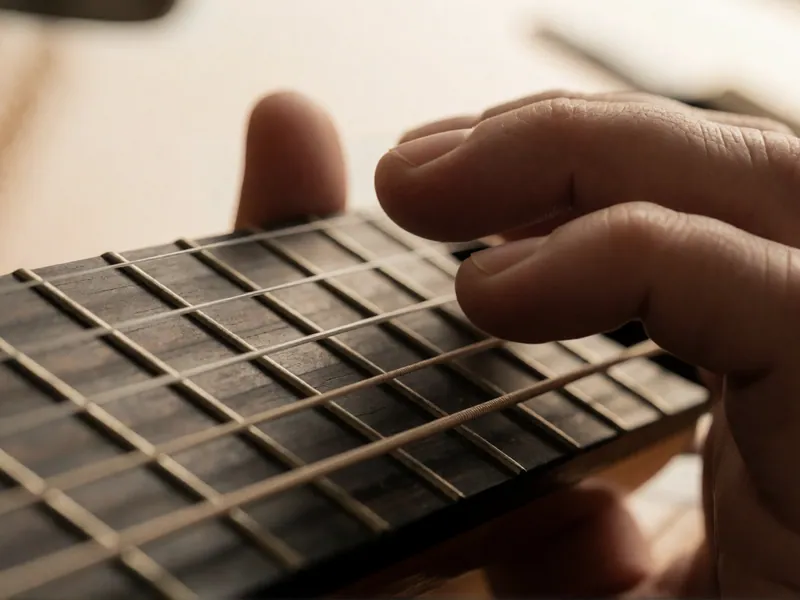
Eight to adult
Taught in small groups, because a beginner guitarist learns faster in a room with other beginners.
He wants to play electric. Do you make him start on classical?
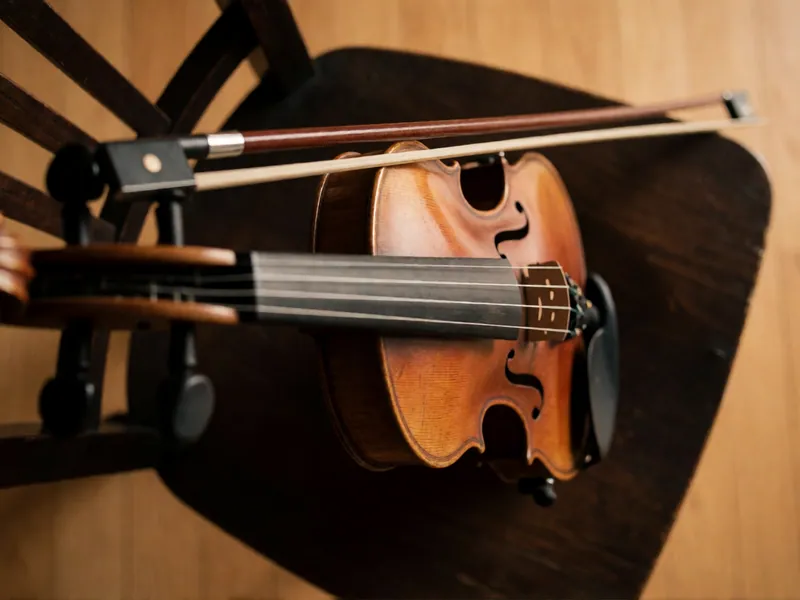
Six to adult
One to one, with an ensemble to play in from the first year — which is the part that makes people stay.
How long before it stops sounding like that?
Eleven to adult, and a teen ensemble
One to one from about eleven, and an ensemble with no audition.
She sings all day. Should she have lessons?
By age
"Ballet classes" is what a dancer searches for. "Classes for four-year-olds near me" is what a parent searches for, and the two want different pages.
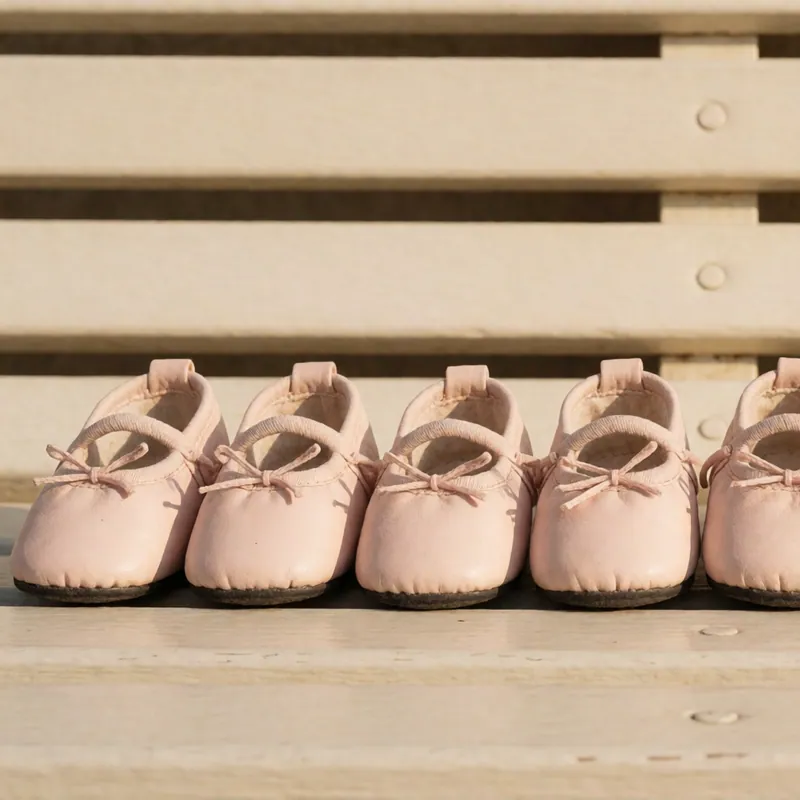
Ages three to five
Forty-five minutes, twelve children, and one thing at a time.
seven classes open to this age
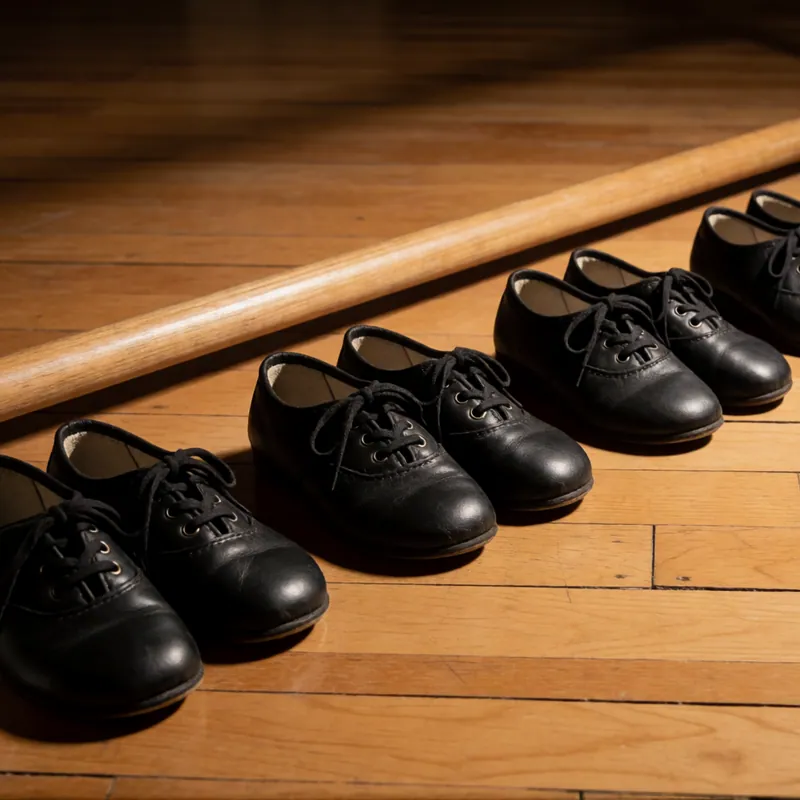
Ages six to eight
The year most students find the thing they are going to stay with.
thirteen classes open to this age
Ages nine to twelve
Where technique starts to compound, and where a second class starts to earn its fee.
twenty-one classes open to this age
Ages thirteen to seventeen
Serious classes for students who have chosen to be there, and no pressure to make it a career.
seventeen classes open to this age
Eighteen and over
Six open classes a week for adults, including four for people who have never danced.
six classes open to this age
Fall Term 2026
The whole week is on the timetable page and it filters by discipline, by age and by day. This is the Saturday of it, which is where most of the school is.
| Class | Time | Room | Teacher | Places | Fall Term 2026 |
|---|---|---|---|---|---|
| BalletFirst Steps ages 3 to 5 | 9:00am - 9:45am | Studio A | Marisol Duarte | 12 | $234 |
| JazzFirst Steps creative dance ages 3 to 5 | 9:00am - 9:45am | Studio B | Grace Okonkwo | 12 | $234 |
| BalletBallet 1 ages 6 to 8 | 9:45am - 10:45am | Studio A | Marisol Duarte | 16 | $286 |
| Hip hopJuniors ages 6 to 8 | 10:00am - 11:00am | Studio B | Danny Ruiz | 14 | $286 |
| GuitarGroup guitar, beginners ages 8 to 12 | 10:00am - 10:45am | Music Room 1 | Jonah Feldman | 8 | $234 |
| BalletBallet 2 ages 9 to 11 | 10:45am - 12:00pm | Studio A | Marisol Duarte | 16 | $338 |
| JazzIntermediates ages 9 to 12 | 11:00am - 12:00pm | Studio B | Grace Okonkwo | 14 | $286 |
| TapJuniors ages 6 to 9 | 11:00am - 11:45am | Studio C | Danny Ruiz | 10 | $234 |
| ViolinString ensemble ages 10 to 17 | 11:00am - 12:00pm | Music Room 2 | Priya Raman | 8 | $286 |
| ContemporaryTeens ages 13 to 17 | 12:00pm - 1:15pm | Studio A | Grace Okonkwo | 16 | $338 |
| TapTeens ages 13 to 17 | 12:00pm - 1:00pm | Studio C | Danny Ruiz | 10 | $286 |
| BalletAdult open eighteen and over | 1:15pm - 2:30pm | Studio A | Marisol Duarte | 18 | $338 |
What a term costs
Two classes of the same length in the same term can honestly cost different amounts, because a holiday falls on a weekday and not on a term. Publishing the multiplication rather than the answer is the only version of this that is not an argument at the desk in October.
$18a session
First Steps classes, junior tap and every musicianship class. Long enough to warm up, work and finish; short enough for a five-year-old.
$22a session
The standard technique class from about six upward, and both ensembles. Most of the timetable is this length.
$26a session
The upper levels, the teen classes and every adult open class. The extra fifteen minutes is centre work rather than more warm-up.
$30a session
Held for rehearsal weeks in the summer term rather than for the ordinary timetable, and charged at the same per-session logic as everything else.
When a class is full
Every class here has a number of places and the number is real. When the last one goes, the class stops taking enrolments and starts a list. You are told the position you are in — a number, not a promise to be in touch.
When somebody withdraws, the place goes to whoever is at the top, and they have three days to take it. That expiry is not impatience: without it, one person who has stopped reading their e-mail keeps a class closed to everybody behind them.
A place is a real number. Every class has a number of places and the number shown is the real one. When a class is full it stops taking enrolments and starts a waiting list, in order, with your position visible to you.
An offer runs out on purpose. A place offered from the waiting list is held for three days and then passes to the next person. The expiry is not impatience: without it, one person who has stopped reading their e-mail keeps a class closed to everybody behind them.
How joining works
Step one of six
Start from the timetable rather than from the discipline. The class has to happen at a time you can get to, and in a school this size there may be one option rather than four. The timetable filters by discipline, by age and by day and every filtered view has its own link, so you can send it to the other parent.
Step two of six
One free trial per student per discipline, in any class marked as taking them. It is a real class and the student joins in. A trial holds a place in the class for that week, which is why it is booked rather than dropped in on — a full class cannot take a trial.
Step three of six
Enrolment is per class, per term. You see the number of sessions, the per-session rate and the multiplication before you confirm anything. If the class is full you are offered the waiting list instead, with your position in it.
Step four of six
The fee is the per-session rate times the sessions that class actually meets in that term. A student joining part-way through pays for the sessions still to come and not for the ones already gone. The family discount of 10 per cent comes off every class after the first.
Step five of six
The register is taken every week. If a student is going to be absent, tell us — not because there is a penalty, but because a teacher who does not know whether a nine-year-old is safe spends the first ten minutes of the class finding out.
Step six of six
Enrolment for the following term opens about six weeks before it starts and existing students are enrolled first for a fortnight before places go to the waiting list. Nobody is rolled over automatically and nobody is charged for a term they did not ask for.
Who teaches here
There is no principal who only administers. A six-person school cannot afford one, and pretending otherwise is a detail parents notice.
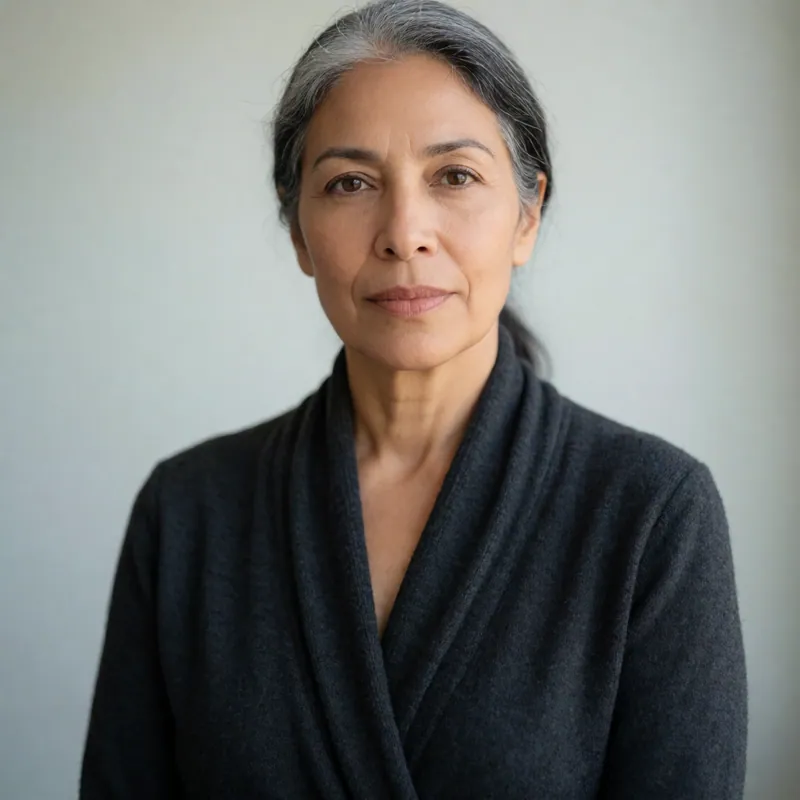
Founder and Principal
Ballet · here since 2011
Founded the school in 2011 and still teaches ballet six days a week.
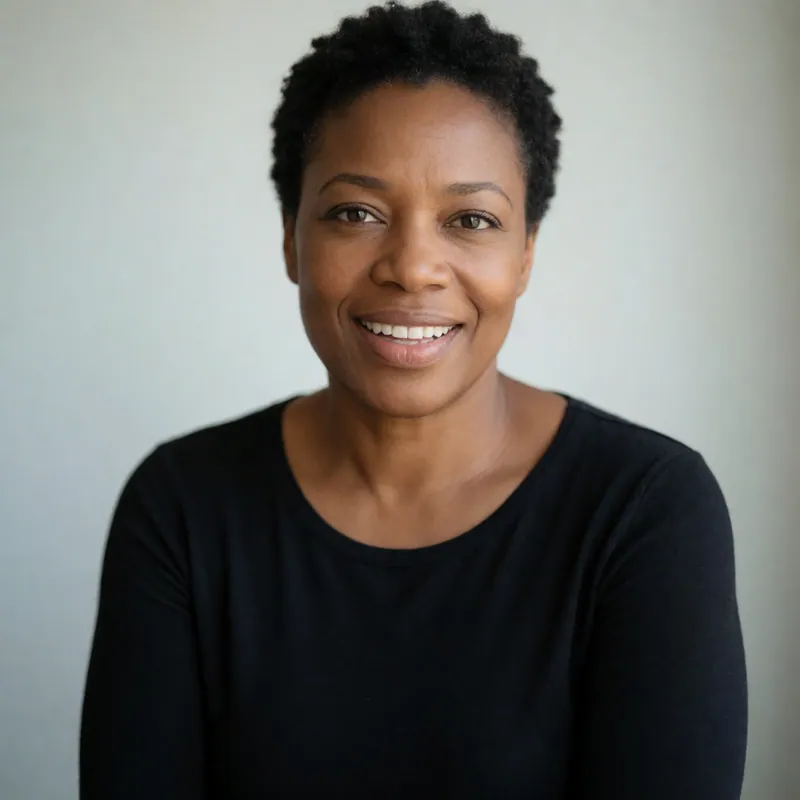
Head of Dance
Jazz and Contemporary · here since 2014
Teaches jazz and contemporary, and writes the recital programme.

Hip hop and tap
Hip hop and Tap · here since 2016
Teaches hip hop and tap, from four-year-olds to the adult class.

Head of Music
Piano · here since 2013
Teaches piano, and runs the music side of the school.

Violin and musicianship
Violin · here since 2018
Teaches violin, the string ensemble and musicianship.

Voice and guitar
Voice and Guitar · here since 2019
Teaches guitar, singing and the teen vocal ensemble.
Where we stop
Each one is a page rather than a line of small print, because every one of them is something a parent would otherwise find out in November.
Graded examinations are run by real organisations, teaching them requires registration, and we do not claim it.
No school can tell you what a seven-year-old will be able to do at seventeen, and one that does is selling you something else.
Every class here is entered by enrolling, and every ensemble is entered by turning up.
A class is forty-five to seventy-five minutes and an adult must be reachable for every minute of it.
We can change what a class asks of a body. We cannot diagnose, treat or clear anybody to return.
Every image of a student is covered by a consent that a guardian gave and can withdraw.
Questions parents ask
A class costs a per-session rate times the number of times it meets in the term. Forty-five minutes is $18 a session, an hour is $22, an hour and a quarter is $26. In a fourteen-week term with one recess week that is thirteen sessions, so an hour-long class is $286 for the term. The term dates and fees page shows the multiplication for every class.
You join the waiting list and you are told your position in it. When a place comes free the person at the top is offered it and has three days to take it. There is no charge and no way to buy priority.
Yes — one per student per discipline. It is a real class and the student joins in. It does hold a place for that week, which is why it is booked in advance rather than dropped in on, and it is why a full class cannot take a trial.
Yes, if the class has a place. You pay for the sessions still to come rather than for the whole term. The enrolment page does that arithmetic in front of you before you confirm.
Three for First Steps ballet and creative dance, four for First Steps tap, six for most technique classes, and eight for group guitar. Singing lessons start at about eleven and there is a page explaining why.
The teacher knows they are new, the class knows they are new, and nobody is put at the front. A first class for a very young child sometimes involves standing at the side and watching, which is a normal way to spend forty-five minutes and is not a wasted fee.
Fall Term 2026 · enrolment open · one free trial per student per discipline
A trial is a real class and the student joins in. It is the only evidence about a school that is not marketing, which is why it costs nothing. If the class you want is full you will be offered the waiting list instead, with the position you would be in — a number, not a promise to be in touch.